Crate training works by helping a dog feel safe and relaxed in a crate, then gradually teaching them to spend short periods there. Make the crate comfortable, reward your dog for choosing to go inside, and increase time slowly. If your dog is panicking, scratching frantically, or trying to escape, stop and reassess rather than forcing them to endure it.
Training · Mon Sep 14
How crate training actually works
Crate training works through gradual, positive practice—not by shutting a dog in and waiting for them to adjust. Start with an inviting setup, reward voluntary entry, and add closed-door time in small steps.
What crate training is supposed to teach
A crate should be a predictable resting place, not a punishment or a way to manage a dog for longer than they can comfortably wait. The goal is for your dog to enter willingly and settle while the door is open or closed for an appropriate period.
Crate training does not replace exercise, bathroom breaks, supervision, or gradual practice being alone. Some dogs may never be comfortable in a crate. If yours shows persistent distress, consider another safe management setup and ask your veterinarian or a qualified, reward-based trainer for help.
A crate that fits the dog and supports gradual training
 LALFPET Elegant Wooden Dog Crate Furniture with 2 Storage Drawers, Removable Divider, Indoor Pet Kennel,…LALFPET
$247.99 as of
View on Amazon Amazon Basics Portable, Collapsible Metal Wire Dog Crate with Removable Tray, Double Door, Easy to…Amazon Basics
$83.36 as of
View on Amazon Amazon Basics Portable Metal Wire Dog Crate for Large Dogs, Double Door with Removable Tray,…Amazon Basics
$100.64 as of
View on Amazon
Product prices and availability are accurate as of the date/time indicated and are subject to change. Any price and availability information displayed on Amazon.com at the time of purchase will apply to the purchase of this product.
Set up the crate for your dog
Choose a crate that lets your dog stand up, turn around, and lie down comfortably. For a growing puppy, a divider can make a larger crate usable without giving them too much space for their current needs. Follow the crate maker’s instructions when fitting the divider.
Place the crate somewhere calm but not isolating, and add bedding only if your dog is not likely to chew or swallow it. Remove a collar or harness when your dog is inside unsupervised if it could snag. Keep the crate away from heat, direct sun, and anything the dog could pull through the bars.
A divider for adjusting crate space as a puppy grows
 MidWest Homes for Pets Dog Crate Divider Panel for 36-inch Crates, Adjusts Living Space, Fits…MidWest Homes for Pets
$30.99 as of
View on Amazon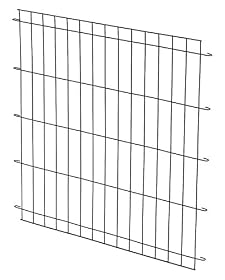 MidWest Homes for Pets Dog Crate Divider Panel for 42-inch Dog Crate; Fits Crate Models…MidWest Homes for Pets
$55.21 as of
View on Amazon Thyle Dog Crate Divider Panel, Black Thick Dog Kennel Divider with Ties, Puppy Accessories for…Thyle
$14.99 as of
View on Amazon
Product prices and availability are accurate as of the date/time indicated and are subject to change. Any price and availability information displayed on Amazon.com at the time of purchase will apply to the purchase of this product.
Build comfort in small steps
1. Let your dog explore
Secure the door open and let your dog investigate without pressure. Toss a treat near the entrance, then farther inside as your dog becomes comfortable. Let them leave when they want; don’t push or pull them into the crate.
2. Make the crate predict good things
Offer meals, treats, or a safe chew in or near the crate. At first, keep the door open. If your dog is hesitant, put the food at a distance where they can eat comfortably and move it closer over several sessions.
3. Practice brief door closures
Once your dog willingly enters and stays relaxed, close the door for a few seconds while you remain nearby. Open it before your dog becomes worried, then reward calm behavior. Gradually build duration, and vary the practice so every crate visit does not predict that you are leaving.
4. Add distance and everyday routines
When your dog can relax with the door closed, take a step away and return. Build distance and time separately, in small increments. Keep some sessions short and easy. For departures, practice leaving briefly only after your dog is comfortable with the earlier steps.
For puppies, plan bathroom breaks around their age, recent activity, and individual needs. A crate cannot make a puppy able to hold their bladder longer. Take your dog out after waking, eating, drinking, and play, as well as when they show signs they need to go.
Read your dog’s behavior and adjust
Relaxed sniffing, choosing to enter, eating, and settling are useful signs that the pace may be working. Whining can have different causes, including needing a bathroom break, being unsettled, or wanting contact; look at the situation rather than assuming it is deliberate misbehavior.
If your dog pants heavily, drools, trembles, repeatedly tries to escape, or cannot settle, end the session safely and make the next practice easier. Do not leave a distressed dog to “cry it out.” A dog who may injure themselves trying to get out should not be left crated unsupervised. Get professional guidance if distress is severe or continues despite slower practice.
Common crate-training setbacks
- Your dog will not go in: Leave the door open, reward small steps toward the crate, and avoid dragging or carrying them in as the routine.
- Your dog barks or whines after the door closes: Check whether they need a bathroom break, then shorten the next session and stay closer. If the behavior escalates into panic, stop the exercise and seek guidance.
- Your dog soils the crate: Review the timing of bathroom breaks, how long they are crated, and whether the crate is the right size. Clean the area thoroughly with a pet-safe cleaner. Repeated accidents can have medical causes, so contact a veterinarian when appropriate.
- Your dog chews bedding or the crate: Remove items they can swallow, check for damage, and do not leave them unsupervised with a setup they may injure themselves on. A crate is not a safe solution for every dog.
A replacement pad or divider can help when the crate setup is the problem. If the crate is damaged, cannot be secured correctly, or does not fit your dog, replace it rather than relying on a compromised setup.
FAQ
How long does crate training take?
It varies by dog, age, and prior experience. Some dogs accept the crate quickly, while others need many short sessions over days or longer. Progress by your dog’s comfort, not by a fixed deadline.
Should I close the crate door on the first day?
You can introduce a very brief door closure once your dog is comfortable entering, but there is no need to rush. Start with the door open and build up in small steps while you stay nearby.
Is it okay for a dog to cry in a crate?
First consider whether your dog needs a bathroom break or is uncomfortable. Brief vocalizing is not always panic, but escalating distress, frantic escape attempts, or signs of fear mean you should stop and make the next step easier.
Can crate training help with separation anxiety?
A crate does not treat separation anxiety and can worsen distress for some dogs. If your dog panics when left alone, consult a veterinarian or qualified behavior professional about a gradual plan and suitable management.