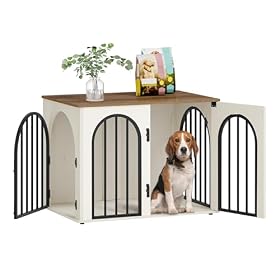
A bedroom is often a practical place for a dog’s crate at night. Put it on a stable, level surface near enough for reassurance, while keeping it clear of hazards, drafts, and blocked walkways.
Nighttime crate placement in a bedroom
For many dogs, the best nighttime crate location is in your bedroom, on a stable floor near your bed. Your dog can hear and smell you, while the crate stays in a quiet, predictable spot. Leave room for airflow and easy access, and keep the crate away from cords, heaters, and anything your dog could pull through the bars.
Choose a safe, practical spot
Set the crate on a level surface where it cannot rock or slide. Leave enough space to open the door fully and get your dog in and out without squeezing past furniture. Avoid placing it beside a busy doorway or where people may trip over it in the dark.
Keep the crate away from direct heat, cold drafts, and strong airflow from a vent or fan. Don’t place it where curtains, bedding, or dangling cords are within reach. If the room is shared, make sure the crate does not block an exit or create a hazard for anyone walking through.
Product prices and availability are accurate as of the date/time indicated and are subject to change. Any price and availability information displayed on Amazon.com at the time of purchase will apply to the purchase of this product.
Keep the crate close at first
If your dog is new to nighttime crating, placing the crate beside or near your bed can make the transition easier. You can offer quiet reassurance without making a habit of letting the dog out every time it makes a brief settling noise. If you eventually want the crate elsewhere, move it gradually once your dog is sleeping comfortably.
The crate should be large enough for your dog to stand up, turn around, and lie down in a natural position. It should not be so small that movement is restricted. For a growing puppy, a compatible divider can help adjust the usable space; follow the crate maker’s sizing and setup guidance.
Make bedtime comfortable without creating hazards
Use a familiar, appropriately sized bed or crate pad if your dog does not chew or shred bedding. Remove bedding if your dog tears it up or tries to eat it. A crate cover may reduce visual distractions, but it should not block ventilation or hang within chewing reach. Cover only part of the crate if that helps keep airflow clear.
Keep the bedtime routine simple and consistent: offer a final bathroom break, guide your dog into the crate calmly, and keep the room quiet. Puppies and dogs still learning house training may need an overnight bathroom trip. A crate does not replace those breaks.
Adjust placement if your dog is unsettled
First check that your dog has had a chance to relieve themselves and that the crate is comfortable, correctly sized, and not too hot or cold. If the dog settles more easily when the crate is closer to you, move it nearer to the bed. If movement or noise in the room keeps waking the dog, try a quieter corner that still allows safe access.
Persistent panic, attempts to escape, or distress that worsens in the crate are not problems to solve simply by moving the crate farther away. Pause and build crate comfort gradually with positive experiences; ask a veterinarian or qualified behavior professional for help if the distress continues. Never use the crate as punishment, and follow the crate manufacturer’s instructions.
FAQ
Should a dog’s crate be next to the bed?
It can be, especially when a dog is first learning to sleep in a crate. Being close can provide reassurance and help you notice when a puppy needs a bathroom break. Move the crate gradually if you later want it in another location.
Can I cover my dog’s crate at night?
A cover may reduce visual distractions, but it must not block airflow or be reachable for chewing. Use a cover only if your dog is comfortable with it and the crate stays well ventilated.
What should I do if my dog whines in the bedroom crate?
Check basic needs first, including a bathroom break, comfortable temperature, and appropriate crate size. Brief settling noises may pass, but ongoing or escalating distress calls for gradual crate training and, if needed, advice from a veterinarian or qualified behavior professional.