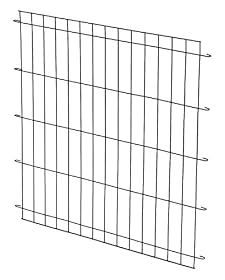
A pad labeled for a 36-inch crate is not automatically the right fit. Measure the crate’s usable floor area, compare it with the pad’s actual dimensions, and account for dividers, tray clearance, chewing, and washing before buying.
A crate pad that fits a 36-inch crate should match the crate’s usable interior floor, not just its advertised length. Measure the floor from inside wall to inside wall, then compare those measurements with the pad’s listed length and width. The best fit lies flat on the tray without buckling, curling up the sides, or preventing the crate door from closing.
What size pad fits a 36-inch crate?
There is no single universal pad size for every 36-inch crate. Crate manufacturers can use different interior widths, corner shapes, door frames, and tray designs even when the crates share the same nominal length.
For a reliable fit:
Remove the crate tray if possible and measure the usable floor length and width.
Check whether the tray has raised edges or rounded corners.
Compare your measurements with the pad’s actual dimensions, not only the product title.
Make sure the pad will not press tightly against the crate walls when laid flat.
If the crate has a divider, measure the smaller section that your dog will actually use.
A pad that is slightly smaller may leave a narrow gap, while an oversized pad can bunch up. Bunching creates an uncomfortable sleeping surface and may give a puppy an edge to pull or chew.
Check the pad’s dimensions before buying
Product labels such as “for 36-inch crates” are useful starting points, but they are not a substitute for measurements. Look for a dimension diagram or a clearly stated length and width.
Also check how the dimensions are measured. A thick bolster, rounded corner, or tufted edge can reduce the flat sleeping area compared with the pad’s overall outside dimensions. If your dog stretches out, prioritize the usable flat area rather than the total size of the cushion.
Leave enough clearance for the door and crate hardware
Avoid folding up along the sides
Fit around, or work with, a divider if one is installed
Remain stable when your dog turns around or steps onto it
If your measurements fall between two sizes, compare the construction. A thin, flexible mat may tolerate a small gap better than a thick bolstered bed, while a stiff cushion usually needs a closer match.
Product prices and availability are accurate as of the date/time indicated and are subject to change. Any price and availability information displayed on Amazon.com at the time of purchase will apply to the purchase of this product.
Choose the right pad style for your dog
Flat crate mat
A flat mat is often the easiest style to fit because it uses the crate floor efficiently. It is a practical choice for dogs that prefer a firm surface or for crates with limited interior clearance.
Bolstered crate bed
A bolstered bed can provide a raised edge for dogs that like to rest their heads, but its outside dimensions can be less forgiving. Measure the full footprint, including the bolsters, and confirm that the sleeping area is large enough.
Cooling or thin mat
A thinner mat may work better in warm rooms or for dogs that do not need much cushioning. Check whether the material is intended for crate use and whether it can be cleaned after accidents.
Orthopedic-style cushion
A thicker foam cushion can be useful for an older dog or a dog that needs more support. Before choosing one, verify that it does not lift the crate tray high enough to interfere with the door or reduce headroom. Follow the manufacturer’s care instructions, especially if the inner foam cannot be machine washed.
Product prices and availability are accurate as of the date/time indicated and are subject to change. Any price and availability information displayed on Amazon.com at the time of purchase will apply to the purchase of this product.
Features that matter more than the label
Washability
For puppies, newly adopted dogs, and dogs prone to accidents, a removable machine-washable cover is especially useful. Check whether the cover can be removed without damaging the zipper and whether the care instructions allow the washing method you need.
Some pads are advertised as washable but require the foam insert to be spot-cleaned. That may be adequate for minor messes but less convenient after a soaked accident.
Chew resistance
No fabric pad is guaranteed to withstand a determined chewer. If your dog pulls at seams, tears bedding, or ingests fabric, avoid leaving a loose cushion unattended until you know the dog can use it safely. Remove damaged bedding promptly.
A durable cover and concealed seams can help, but they do not eliminate the risk of chewing. Consult your veterinarian if your dog repeatedly eats bedding or other non-food items.
Non-slip bottom
A non-slip base can reduce sliding on a smooth crate tray. It will not necessarily stop the pad from being folded, dragged, or chewed, so fit still matters. Make sure the backing is compatible with the tray and does not leave residue.
Thickness and support
Thicker is not always better. A very thick pad can reduce usable crate space, create a step near the door, or make the crate warmer. Choose enough cushioning for your dog’s comfort while preserving room to stand, turn around, and lie down naturally.
If you use a divider
A divider changes the pad size you need. Measure the section where your dog sleeps rather than buying a pad based only on the full crate length. The pad should fill the intended sleeping area without leaving a large gap beside the divider.
As your dog grows, you may remove or reposition the divider. If you want one pad to work through multiple stages, confirm that its dimensions will still fit after the divider is moved. Otherwise, a smaller pad for the puppy stage and a full-size pad later may be easier to keep clean and properly fitted.
How to check the fit when the pad arrives
Before allowing your dog to use the pad, place it on the empty crate tray and check:
The corners are not folded upward.
The pad does not push against the door.
The tray still slides in and out normally.
The divider can be installed without compressing or bending the pad.
The dog has enough room to stand, turn, stretch, and lie down.
Zippers, loose threads, and exposed foam are not accessible.
If the pad is too large, do not rely on forcing it into place. Return it if possible and choose a size based on the measured floor area. If it is too small and leaves a substantial gap, check whether your crate maker offers a matching replacement or whether a different pad shape will use the floor more effectively.
When a crate pad is not the right choice
Some dogs sleep comfortably on the crate tray and may initially pull apart any bedding. In that situation, introduce padding gradually and supervise it. A dog should not be left with bedding that it is actively shredding or swallowing.
A crate pad also cannot correct a crate that is too small. Your dog should be able to stand without crouching, turn around, and lie down comfortably. If those movements are restricted, measure for a larger crate rather than trying to solve the problem with a thinner pad.
The practical buying rule is simple: measure first, compare the pad’s actual footprint, and choose the easiest-to-clean construction your dog can use safely.
FAQ
What are the typical dimensions of a pad for a 36-inch dog crate?
There is no universal dimension for every 36-inch crate. Measure the crate’s usable interior floor and compare those measurements with the pad’s listed length and width. The crate’s brand, tray shape, divider, and door hardware can affect the available space.
Should a crate pad be the exact size of the crate floor?
It should fit the usable floor without bunching, curling, or blocking the door. A close fit is usually preferable, but the pad should not be forced tightly against the crate walls or divider.
Can I use a 36-inch crate pad with a divider?
Only if the pad fits the smaller section created by the divider. Measure that section separately. A full-length pad may bunch against the divider or leave your dog with less usable space.
What type of crate pad is best for a puppy?
Choose a washable pad with a secure cover and a construction appropriate for your puppy’s chewing habits. Supervise use at first, and remove the pad if the puppy tears or eats pieces of it.
How thick should a pad for a 36-inch crate be?
Choose enough cushioning for the dog’s comfort without reducing the room needed to stand, turn, and lie down. A thicker pad can also interfere with the crate door or divider, so check the fit after placing it on the tray.