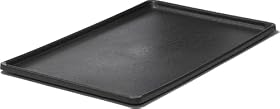
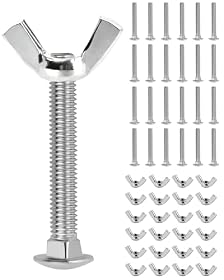
A cracked plastic dog crate should be treated as damaged equipment, not repaired for continued car travel. Check the cause, inspect every panel and fastener, and replace the crate if the crack affects its structure, door, floor, or tie-down points.
What do you need help with?
Open an answer, or tell us what we should cover next.
Answered in this guide
Check whether a cracked crate is safe for car travel
Inspect the shell, corners, door, floor, feet, hardware, and restraint points in good light. Cracks, stress marks, brittleness, warping, missing plastic, or loose hardware can show that the crate is no longer safe for travel.
Understand why a plastic crate cracked in the vehicle
A crate may crack after shifting into another object, being struck by cargo, facing heat or cold, being restrained too tightly, fitting poorly, or weakening from age, sunlight, and repeated use.
Know whether a cracked plastic crate can be repaired
Replacement is generally safer than glue, epoxy, tape, or zip ties when damage affects the shell, door opening, floor, joining seam, handle, or restraint point used for car travel.
Measure usable space around wheel wells, the hatch, seats, and loading clearance before buying. The replacement should fit without force and support the dog’s travel needs and the vehicle’s restraint setup.
Request a topic and help us choose what to build next.
Prevent a plastic crate from cracking again
Compare plastic crates with crash-tested car crates
Requests help us prioritize the next guide. No email required.
One anonymous request per topic.
A plastic dog crate cracking in the car is usually caused by impact, twisting, temperature extremes, age, or movement against the vehicle. If the crack reaches the door frame, hinges, floor, corners, ventilation panel, or any tie-down area, stop using the crate for travel and replace it. Tape or glue may hide the damage but should not be relied on as a restraint in a moving vehicle.
Check the crate before using it again
Unload the crate and inspect it in good light. Look for:
Cracks that extend from a corner, handle, door opening, or bolt hole
White stress marks, brittleness, warping, or missing plastic
Loose or broken door hardware
Cracks in the floor or around the crate’s feet
Split seams where the top and bottom sections join
Damaged areas where a strap, cargo hook, or other restraint contacts the crate
Run a cloth carefully over the surface to find sharp edges, but do not press on a damaged section to see whether it flexes. A small cosmetic mark on a nonstructural area may not have the same significance as a crack through a load-bearing corner. When in doubt, follow the crate manufacturer’s guidance or replace the crate.
Common reasons plastic crates crack in vehicles
Impact or shifting cargo
A crate can crack when it slides into a seat, door, cargo barrier, or other object during braking or a turn. Luggage, tools, and other cargo can also strike it. An unsecured crate may twist as it moves, putting stress on corners and fasteners.
Use only the restraint method approved or recommended by the crate manufacturer. Keep hard cargo away from the crate, and do not place heavy items on top of it. A restraint should hold the crate in position without crushing or distorting the plastic.
Heat and cold
Plastic can become more brittle in very cold conditions and may soften or deform when exposed to intense heat. A crate left in a hot vehicle, in direct sunlight, or against a hot surface can be weakened or warped before a trip begins. Rapid temperature changes may also add stress to older plastic.
Allow a crate stored in extreme temperatures to return to normal indoor conditions before handling it. Do not pour hot or cold water on the plastic, use a heat gun, or try to straighten a warped section with force.
Overtightened fasteners or restraints
Bolts, clips, and tie-downs that are tightened too far can concentrate pressure around holes and corners. A strap that pulls the crate sideways can create similar stress, especially if the crate does not sit flat.
Check that the crate’s upper and lower sections are aligned and that the hardware is installed according to the instructions. Tighten fasteners only as directed. Replace cracked hardware or panels rather than adding extra bolts through the plastic.
Incorrect size or poor placement
A crate that is squeezed between seats, wedged against a door, or forced into a space that is too small can flex during travel. The dog’s movement may add more pressure if the crate does not allow the dog to stand, turn around, and lie down normally.
Place the crate on a stable, level surface with adequate clearance around it. Do not modify the crate to make it fit. If the available vehicle space is too small, choose a different crate style or travel arrangement that fits without pressure on the shell.
Age, sunlight, and repeated use
Plastic can degrade after years of ultraviolet exposure, temperature changes, cleaning chemicals, and repeated loading. Older crates may show fading, chalky surfaces, brittle edges, or stress around frequently used hardware even if they have not suffered a major impact.
A crate with widespread brittleness or multiple stress marks is a replacement candidate. Do not assume a crate is safe simply because the door still closes.
Product prices and availability are accurate as of the date/time indicated and are subject to change. Any price and availability information displayed on Amazon.com at the time of purchase will apply to the purchase of this product.
Can you repair a cracked plastic dog crate?
For car travel, replacement is generally the safer choice when the crack affects the shell, door opening, floor, joining seam, handle, or restraint point. Glue, epoxy, zip ties, and tape are not substitutes for the crate’s original structural strength, and a repair can fail without warning.
A manufacturer-approved replacement panel or hardware may be reasonable if the damage is limited to a replaceable, nonstructural component. Confirm that the part is made for the exact crate and install it as instructed. Do not drill new holes or combine unmatched parts unless the manufacturer specifically permits it.
Product prices and availability are accurate as of the date/time indicated and are subject to change. Any price and availability information displayed on Amazon.com at the time of purchase will apply to the purchase of this product.
Choosing a replacement for vehicle travel
When selecting another crate, consider the vehicle first rather than choosing by appearance alone:
Measure the usable space: Account for the wheel wells, hatch opening, seat position, and clearance needed to load the crate without forcing it into place.
Check the dog’s interior space: The dog should be able to stand, turn around, and lie down normally, while the crate remains appropriate for the available vehicle space.
Inspect the restraint plan: The crate must be compatible with the way it will be secured in your vehicle. Follow both the crate and vehicle instructions.
Consider construction: Plastic is useful for portability and easy cleaning, while a properly sized metal or reinforced travel crate may better suit some dogs and vehicles. No crate should be assumed crash-safe unless the manufacturer provides specific evidence and instructions.
Avoid improvised modifications: Do not remove structural pieces, add unapproved tie-down points, or rely on a door lock that is damaged or loose.
Before the next trip, make a short unloaded drive after securing the replacement crate. Stop and check whether it shifts, contacts the vehicle, or becomes distorted. If it moves or the restraint pulls on the shell, stop and correct the setup before transporting the dog.
Product prices and availability are accurate as of the date/time indicated and are subject to change. Any price and availability information displayed on Amazon.com at the time of purchase will apply to the purchase of this product.
When to replace the entire crate
Replace the crate rather than continuing to patch it when the damage is structural, the plastic feels brittle, the door no longer aligns, the crate twists under light handling, or the original restraint method can no longer be used. Also replace it after a significant vehicle impact, even if the visible damage seems minor.
If you cannot determine whether a crack is structural, keep the dog out of the crate during car travel and contact the manufacturer or a qualified pet-travel professional for guidance. Never transport a dog in a crate with sharp edges, a door that can open unexpectedly, or a shell that may collapse or separate.
Product prices and availability are accurate as of the date/time indicated and are subject to change. Any price and availability information displayed on Amazon.com at the time of purchase will apply to the purchase of this product.
FAQ
Is it safe to use a plastic dog crate with a small crack?
Not if the crack reaches a corner, door frame, floor, joining seam, handle, or restraint point. For vehicle travel, replace a structurally damaged crate rather than relying on tape or glue.
Why do plastic dog crates crack in cold weather?
Cold temperatures can make some plastics more brittle. Impact, twisting, overtightened hardware, or a crate being forced into a tight space can then cause cracking more easily.
Can I repair a cracked plastic crate with epoxy?
A repair may be acceptable only for a manufacturer-approved, nonstructural component. Epoxy, tape, or zip ties should not be treated as a substitute for structural strength or a reliable vehicle restraint.
How should a dog crate be secured in a car?
Use only the restraint method recommended by the crate manufacturer and vehicle instructions. The crate should remain stable without being crushed, twisted, or pulled against sharp edges, and hard cargo should be kept away from it.