A crate that is too large can give a puppy enough room to sleep in one area and eliminate in another. Here is how to correct the setup and know when you need a divider or smaller crate.
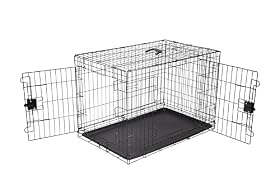
A crate can be too big for house-training if your puppy has enough room to sleep at one end and eliminate at the other. The usual fix is to reduce the usable space with a properly secured divider or switch to a smaller crate—not to make the crate uncomfortable. The puppy should still be able to stand up, turn around, lie down, and stretch out normally.
Check whether the crate is actually too large
Measure your puppy from the tip of the nose to the base of the tail, then measure from the floor to the top of the head or ears, depending on which is higher. Add a modest amount of growing room rather than choosing a crate with a large unused area.
The correct crate should allow your dog to:
Stand without crouching
Turn around easily
Lie down on their side
Stretch and change positions
Extra space beyond those needs can make house-training harder, especially for young puppies. However, accidents are not always caused by crate size. Consider age, time between potty breaks, illness, stress, and whether the puppy has recently had food or water.
Use a crate divider for a growing puppy
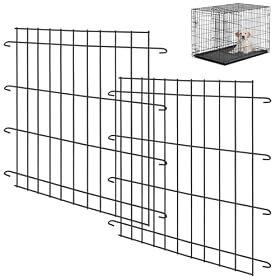
A divider is usually the most practical solution when you bought an adult-size crate for a puppy. Position it so the puppy has only the amount of space needed for comfortable movement. As the puppy grows, move the divider back gradually.
The divider should be:
Designed for the specific crate style and dimensions
Firmly attached so it cannot slide or collapse
Free of sharp edges, gaps, or exposed wire ends
Strong enough that the puppy cannot push it out of position
Do not use loose cardboard, blankets, boxes, or other makeshift barriers. A puppy may chew and swallow pieces, become entangled, or move the barrier and recreate the same problem.
If the crate has a molded plastic body, make sure the divider does not leave gaps where a paw, collar, or leg could become trapped. Follow the crate manufacturer's instructions for installation.
Product prices and availability are accurate as of the date/time indicated and are subject to change. Any price and availability information displayed on Amazon.com at the time of purchase will apply to the purchase of this product.
Remove bedding temporarily if it is causing problems
Some puppies will soil thick bedding because it absorbs liquid and creates a more comfortable elimination spot. If accidents continue, remove plush bedding for a short period and use the crate's washable tray while you work on the schedule.
This should not mean leaving the dog on an uncomfortable or unsafe surface for long periods. Reintroduce a properly sized, washable crate pad once accidents decrease. Avoid bedding that can be shredded and swallowed.
Clean every accident with an enzymatic pet cleaner made for urine or feces. Ordinary soap may remove the visible stain while leaving odors that encourage repeat marking.
Product prices and availability are accurate as of the date/time indicated and are subject to change. Any price and availability information displayed on Amazon.com at the time of purchase will apply to the purchase of this product.
Fix the potty schedule as well
A correctly sized crate cannot compensate for a puppy being confined longer than they can reasonably hold it. Take the puppy out:
Immediately after waking
After eating or drinking
After active play
After naps
Before going into the crate
As soon as they come out of the crate
Very young puppies often need frequent daytime breaks. The appropriate interval varies with age, size, health, and routine. If you are unsure how long your puppy can safely wait, use shorter intervals and ask your veterinarian or trainer for guidance.
Reward outdoor elimination promptly with calm praise or a treat. If you find an accident later, clean it without punishment; scolding after the fact does not teach the desired location.
Product prices and availability are accurate as of the date/time indicated and are subject to change. Any price and availability information displayed on Amazon.com at the time of purchase will apply to the purchase of this product.
Check for other causes before replacing the crate
If the puppy still has accidents after the crate space is reduced, check these possibilities in order:
The crate is still too large. Measure the open area again, especially if the divider moved.
The puppy is being confined too long. Increase potty breaks rather than expecting the crate to solve the schedule.
The crate is in a stressful location. Excessive noise, isolation, or household activity can affect behavior.
The puppy has learned to soil soft bedding. Remove or change the bedding temporarily and clean the tray thoroughly.
The puppy is marking or having a medical problem. Frequent urination, straining, diarrhea, unusual thirst, blood, or a sudden change in a previously trained dog warrants veterinary advice.
Never restrict water as a house-training shortcut. Puppies need regular access to water, and the correct routine should be managed through supervised breaks and veterinary guidance.
When to use a smaller crate instead
A divider is a good choice when the crate is structurally sound and will fit the dog's expected adult size. Buy a smaller crate instead when:
The crate cannot accept a secure compatible divider
The divider leaves unsafe gaps
The crate is difficult to keep clean
The dog is frightened by the large enclosure and does better in a smaller setup
You need a separate crate for travel or another area of the house
If your dog is already near adult size, replacing the crate may be simpler than continuing to adjust a divider. Choose by the dog's current usable space and body measurements, not by weight alone, since body proportions vary widely among breeds and mixes.
Make sure the crate is being used safely
A crate should be a safe resting area, not a place for punishment or extended confinement. Remove collars, harnesses, and dangling accessories if they could catch on the crate. Check the door latch, floor tray, wire joints, and divider regularly for damage.
If your dog is panicking, repeatedly throwing their body against the door, damaging teeth, or trying to escape, stop increasing crate time and seek help from a qualified trainer or veterinary behavior professional. A larger or smaller crate alone will not solve severe confinement distress.
The immediate goal is simple: limit the crate to comfortable standing, turning, lying, and stretching space; provide frequent potty breaks; clean accidents thoroughly; and expand the area only as your puppy grows and stays reliably clean.
FAQ
How much space should a puppy have in a crate?
A puppy should be able to stand up, turn around, lie down comfortably, and stretch out. Avoid leaving enough extra space for the puppy to sleep in one area and eliminate in another.
Can I use a divider in an adult-size dog crate?
Yes, if the crate manufacturer offers a compatible divider or the divider is securely designed for that crate. Check for sharp edges, gaps, and movement before leaving the puppy unattended.
Should I put a puppy pad inside the crate?
Usually not if the goal is to teach outdoor house-training. A pad can teach the puppy that eliminating inside the crate is acceptable. If a veterinarian recommends an indoor toilet area for a specific situation, use a separate, appropriately managed area instead of forcing the puppy to soil their sleeping space.
Why is my puppy having accidents in the crate even after I add a divider?
The puppy may be confined too long, the bedding may be encouraging elimination, the crate may not be fully cleaned, or a medical issue may be involved. Shorten the interval between potty breaks and contact a veterinarian if accidents are frequent, sudden, or accompanied by other symptoms.