Powder-coated wire crates generally offer better rust protection than uncoated or minimally finished wire, but neither type is completely rust-proof. Here is what to check before buying and how to slow corrosion once it starts.
Powder-coated wire dog crates usually resist rust better than bare wire because the steel is covered by a bonded protective layer. Bare or lightly finished wire can still be serviceable indoors, but exposed scratches, wet floors, urine, and humid air can lead to corrosion sooner. The better choice depends on where the crate will sit, how often it gets wet, and whether your dog chews or scratches the bars.
What the two finishes mean
Powder-coated wire
Powder coating is a dry finish applied to metal and cured into a hard outer layer. On a dog crate, it can:
Reduce direct contact between steel and moisture
Make the wire easier to wipe clean
Improve resistance to ordinary household wear
Provide a smoother surface than unfinished metal
Powder coating is not a guarantee against rust. If the coating is chipped, cut, poorly bonded, or worn through at a joint, moisture can reach the steel underneath. Rust may also begin around welds, hinges, latches, or the bottom edge where water and debris collect.
Bare or minimally finished wire
“Bare wire” can describe visibly uncoated steel, but some crates marketed this way may have another thin finish, such as plating or a basic protective treatment. Check the manufacturer’s material description rather than assuming all wire crates have the same corrosion resistance.
Any exposed steel is more vulnerable to moisture than an intact powder-coated surface. This matters most in garages, basements, laundry rooms, patios, kennels, or homes where accidents are cleaned with a lot of water.
Which resists rust better?
For most indoor dog-crate uses, powder-coated wire is the safer choice for rust resistance. It provides a barrier against moisture and cleaning residue, especially when the coating covers the welds and frame consistently.
A well-maintained bare-wire crate may last a long time in a dry room, but it has less protection if the surface is scratched or repeatedly exposed to dampness. A cheap or poorly applied coating can also fail earlier than a better-made basic finish, so construction quality still matters.
Look closely at:
Welds and corners, where coating can be uneven
Door hinges and latch hardware
The lower frame and feet
Sharp edges, burrs, or visible scratches
Areas where the wire contacts the removable tray
Whether the finish is continuous rather than patchy
Product prices and availability are accurate as of the date/time indicated and are subject to change. Any price and availability information displayed on Amazon.com at the time of purchase will apply to the purchase of this product.
When powder coating is worth prioritizing
Choose a crate with a durable protective finish when:
The crate will be near a water bowl or feeding area
Your dog has frequent accidents
You need to wash the crate regularly
The crate will be used in a humid room
You live near the coast or in a damp climate
The crate will be stored in a garage or shed
You want the best chance of keeping the crate presentable for years
If the crate will stay in a dry bedroom and your dog is reliably house-trained, rust resistance may be less important than correct sizing, a secure latch, safe spacing, and a tray that is easy to remove.
Product prices and availability are accurate as of the date/time indicated and are subject to change. Any price and availability information displayed on Amazon.com at the time of purchase will apply to the purchase of this product.
Powder coating has limits
A coating can be damaged by chewing, hard impacts, abrasive cleaners, or metal-on-metal contact. Pay particular attention if your dog bites the door or pushes the crate against a wall.
Do not assume a colored finish is automatically thicker or more durable. The practical questions are whether the manufacturer identifies the finish, whether the welds are covered, and whether replacement parts are available if the tray, door, or hardware wears out.
A damaged coating should be addressed early. Clean and dry the area, remove loose flakes without creating sharp edges, and follow the manufacturer’s guidance for touch-up or repair. Keep paint, solvents, and wet coatings away from the dog until they are fully cured and safe according to their labels.
Product prices and availability are accurate as of the date/time indicated and are subject to change. Any price and availability information displayed on Amazon.com at the time of purchase will apply to the purchase of this product.
How to prevent rust on either type
Keep the crate dry. Wipe up water, urine, and spilled food promptly.
Use the tray correctly. Make sure the tray is seated flat and does not trap standing water against the lower frame.
Clean gently. Use a mild, pet-safe cleaner and a damp cloth or sponge. Avoid abrasive pads and harsh chemicals unless the manufacturer permits them.
Dry after cleaning. Do not leave the crate wet, especially around welds, hinges, and the tray rails.
Inspect regularly. Look for bubbling, orange discoloration, flaking, or rough spots.
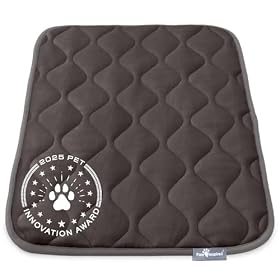
Reduce floor moisture. A washable mat under the crate can help protect the feet and surrounding floor, but it should not trap water underneath.
Avoid outdoor exposure unless approved. Most household wire crates are not intended to remain outdoors in rain, snow, or direct weather.
What to do if rust has already started
Small surface spots may be manageable if the metal remains solid and the area is not accessible to chewing. Stop using the crate temporarily if rust creates sharp edges, flakes into the enclosure, weakens a door, or affects the latch.
For a minor spot, clean the area according to the manufacturer’s instructions, dry it completely, and address the finish with a product specifically suitable for the metal and the intended use. Allow any repair coating to cure fully before the dog returns to the crate, and prevent the dog from licking or chewing the repaired area.
Replacement is usually the more sensible option when:
Rust is spreading along multiple bars or welds
The wire has become thin, pitted, or structurally weak
The door no longer aligns or latches securely
The coating is peeling where the dog can reach it
Rust returns quickly after cleaning
The crate cannot be cleaned without leaving sharp or contaminated surfaces
A replacement tray can solve a leaking or cracked-tray problem, but it will not repair corroded crate wire or a weakened frame.
Powder-coated versus bare wire: the practical choice
For a dry indoor location and a crate that will be handled gently, either finish may work if the crate is properly sized and well constructed. For puppies, frequent accidents, humid rooms, or regular washing, powder-coated wire is generally the more forgiving choice.
Do not choose a crate based on finish alone. Confirm the interior dimensions, wire spacing, door security, tray fit, and availability of compatible replacement parts. A rust-resistant crate that is too small, has unsafe spacing, or cannot be cleaned properly is still the wrong crate for the dog.
FAQ
Are powder-coated dog crates rust-proof?
No. Powder coating improves resistance to moisture, but chips, scratches, welds, hinges, and standing water can still allow rust to develop.
Is bare wire safe for a dog crate?
It can be suitable in a dry indoor setting if the wire is structurally sound and free of sharp edges, flaking, and corrosion. Verify the manufacturer’s stated finish because “bare wire” is not a universal technical description.
Can I use a rusty dog crate?
Only if the rust is minor, the wire remains strong, and there are no sharp flakes or loose particles the dog can reach. Replace the crate when corrosion affects the frame, bars, door, latch, or cleanability.
How do I keep a powder-coated crate from rusting?
Clean spills promptly, avoid standing water, use mild nonabrasive cleaners, dry welds and hinges thoroughly, and inspect chips or scratches before they spread.