A reactive dog often benefits from a quiet, predictable retreat, but the crate must be selected and introduced carefully. Here is how to choose the right den-like setup without using confinement as a substitute for behavior support.
What do you need help with?
Open an answer, or tell us what we should cover next.
Answered in this guide
Choose a crate setup that gives a reactive dog a safe retreat
Choose a crate style based on your dog’s stress response, escape attempts, need for visibility, and the crate’s location. Wire, plastic, heavy-duty, and furniture-style crates each provide different levels of enclosure and security.
Use a crate that lets your dog stand naturally, turn around, lie down fully, and stretch out. Avoid a cramped crate that adds physical discomfort or makes confinement more stressful.
Place the crate in a low-traffic area where your dog can rest with more control and predictability. The setup should reduce unwanted interruptions without making your dog feel completely cut off or exposed.
Introduce the crate without forcing your dog inside
Start with the door open and let your dog investigate at their own pace. Use treats, meals, or enrichment near the entrance, then move them farther inside only while the dog remains relaxed.
Know when a different setup is better than a crate
Consider a gated dog-proof room or another setup if your dog panics repeatedly, gets hurt, destroys the crate, or cannot settle despite gradual introduction. A crate is not the right primary retreat for every dog.
Request a topic and help us choose what to build next.
Build a behavior plan for reactions to visitors and other dogs
Check whether a crate is safe for car travel
Choose safe bedding and enrichment for crate time
Requests help us prioritize the next guide. No email required.
One anonymous request per topic.
A crate can give a reactive dog a predictable place to retreat, but it should function as a voluntary, comfortable den—not a way to force the dog to tolerate triggers. Choose a crate that is large enough to stand, turn around, lie down, and stretch out, then make it calmer with thoughtful placement, partial visual blocking, and gradual positive training.
Choose the crate style around your dog's behavior
The best crate depends on how your dog reacts to stress, how strongly they try to escape, and where the crate will sit in your home.
Wire crates: flexible and easy to modify
Wire crates offer ventilation and visibility, and many include a divider for puppies. Their open sides can also leave a reactive dog exposed to movement, visitors, other pets, or outdoor activity. A fitted cover or carefully placed blanket can block some visual triggers, but leave enough airflow and keep the covering away from chewing mouths or heat sources.
A wire crate may be a good choice when your dog settles with reduced visual stimulation and does not bend, chew, or force the door. Use a secure, correctly sized cover rather than improvising with loose fabric.
Plastic crates: more enclosed and den-like
Plastic-sided crates naturally reduce visual access and can feel more sheltered than an uncovered wire crate. They are often useful for dogs that become activated when they can watch every movement around them. Ventilation, door strength, and the dog's ability to damage the crate still matter.
A plastic crate should not be treated as escape-proof. Inspect the door, hinges, ventilation openings, and edges regularly, especially if your dog has a history of chewing or panic during confinement.
Heavy-duty crates: for serious escape attempts
A reinforced crate may be appropriate for a powerful dog that has already damaged ordinary crates, but stronger construction does not make panic safe. A dog can injure teeth, claws, or the nose while trying to escape from any enclosure.
If your dog is throwing themselves against the door, chewing metal, injuring themselves, or showing severe distress, stop increasing confinement and consult a qualified veterinary behaviorist or other appropriately credentialed behavior professional. The crate may not be suitable during that situation without a carefully designed plan.
Furniture-style crates: attractive but not always practical
Furniture-style crates can blend into a living room, but enclosed panels may reduce airflow and make cleaning harder. They are usually a poor first choice for a dog that chews, panics, or needs close monitoring. Prioritize ventilation, secure construction, and easy access over appearance.
Size the crate for comfort, not forced confinement
Your dog should be able to stand naturally without pressing against the roof, turn around without squeezing, lie down fully, and stretch out. A crate that is too small can add physical discomfort and frustration. A crate that is excessively large may be harder to make feel sheltered and can allow a puppy to use one end as a bathroom.
Measure your dog while standing from the floor to the top of the head or ears, whichever is higher. Measure from the nose to the base of the tail, then allow additional room for turning and stretching. Compare those measurements with the manufacturer's interior dimensions, not just the advertised exterior size.
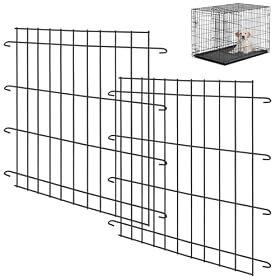
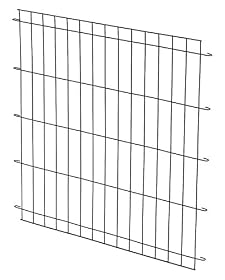
For a growing puppy, a divider can provide a usable sleeping area while allowing the crate to grow. Position it so the puppy has enough room to move comfortably but not so much unused space that house-training becomes more difficult.
Product prices and availability are accurate as of the date/time indicated and are subject to change. Any price and availability information displayed on Amazon.com at the time of purchase will apply to the purchase of this product.
Create a den without making the crate isolating
A reactive dog usually benefits from control and predictability. Set up the crate in a low-traffic area where your dog can rest without being repeatedly approached. Avoid placing it directly beside a front door, busy hallway, window with constant outside activity, television, or another pet's feeding area if those locations trigger reactions.
Useful adjustments include:
Blocking one or more sides to reduce visual stimulation while keeping ventilation clear.
Facing the opening away from the busiest part of the room.
Keeping the crate away from direct sun, drafts, heaters, and loud appliances.
Using a washable crate pad that fits securely and cannot be easily shredded.
Providing a safe chew or food toy only if your dog uses it calmly and cannot break off pieces.
Giving the dog a clear path to enter and leave when the crate is open.
Do not cover the crate so completely that airflow is restricted. Do not use loose blankets with a dog that pulls fabric through the bars, eats cloth, or overheats easily.
Product prices and availability are accurate as of the date/time indicated and are subject to change. Any price and availability information displayed on Amazon.com at the time of purchase will apply to the purchase of this product.
A crate cover can help—but watch the dog, not the product
A cover is useful when visual exposure is the main problem. Start with partial coverage and observe whether your dog relaxes. Signs it is helping may include softer body posture, slower breathing, choosing to remain in the crate, and reduced scanning of the room.
Remove or change the cover if your dog paws at it, pulls it inside, chews it, pants heavily, becomes more agitated, or treats the covered crate as a trapped space. Some dogs settle better when they can see out, so a cover is not automatically calming.
Choose a cover made for the crate's dimensions, with openings that maintain ventilation and access to the door. Keep fabric clear of electrical cords, heaters, candles, and other hazards.
Introduce the crate gradually
Leave the door open at first and let your dog investigate at their own pace. Place treats, meals, or enrichment near the entrance, then gradually move them farther inside if the dog remains relaxed. Avoid pushing, dragging, cornering, or physically placing a fearful dog into the crate.
Build duration in small steps:
Reward calm investigation with the door open.
Reward brief pauses inside while the door remains open.
Close the door for a moment, then open it before the dog becomes distressed.
Increase time gradually while you remain nearby.
Practice short absences only after the dog can relax with you out of sight.
The goal is calm behavior, not simply keeping the door closed for a predetermined amount of time. If the dog stops eating, vocalizes persistently, pants, drools, scratches, freezes, or repeatedly tries to escape, make the exercise easier and seek professional guidance if the distress continues.
Do not use the crate to manage trigger exposure by force
A crate can prevent a dog from rushing toward a visitor or another animal, but it should not be placed where the dog must watch triggers at close range. A dog that is barking or lunging from inside the crate may be rehearsing the same reactive pattern while also feeling unable to leave.
For visitors, use distance, visual barriers, a quiet room, and a behavior plan. For dog-to-dog or people-directed reactivity, consult a qualified trainer experienced with reactivity or a veterinary behaviorist. If there is a bite history, severe aggression, self-injury, or unpredictable behavior, get professional help before relying on a crate-management routine.
Never leave a reactive dog crated with a collar, harness, or dangling tags that could catch on the crate. Follow the crate and equipment manufacturers' safety instructions, and supervise initial use.
When to choose a different setup
A crate may not be the right primary den if your dog repeatedly panics, injures themselves, destroys the crate, or cannot settle even after gradual introduction. A gated dog-proof room or appropriately arranged exercise pen may provide more space and less of a trapped feeling. These alternatives still require secure construction, safe flooring, and management of triggers.
Replace a crate when the door no longer latches reliably, the frame has sharp or bent sections, the tray is cracked, or the dog can force an opening. Replace a pad or cover when it has torn into pieces or can be swallowed. If the crate is structurally sound but the dog's distress is the problem, a new crate alone is unlikely to solve it; change the management plan and involve a behavior professional.
Bottom line
For a reactive dog who needs a den, prioritize a correctly sized, well-ventilated crate with secure construction and the least visual exposure that helps your dog relax. A partial cover, quiet placement, and gradual positive training can make the space more inviting, but the crate should remain a safe retreat—not punishment and not a substitute for treatment of reactivity.
FAQ
Is a covered crate good for a reactive dog?
It can help if visual movement is a major trigger, but not every dog finds a cover calming. Start with partial coverage, maintain airflow, and remove it if the dog chews, paws, pants, or becomes more distressed.
Should a reactive dog be crated when visitors arrive?
A crate can be part of a visitor-management plan if the dog is already comfortable there and is kept away from the trigger. Do not place the dog close to visitors where they must bark or lunge from confinement.
What crate size does a reactive dog need?
The dog should be able to stand naturally, turn around, lie down fully, and stretch out. Use interior measurements and account for the dog's adult size if using a puppy divider.
What if my dog tries to escape the crate?
Stop increasing confinement and check for distress, overheating, poor fit, trigger exposure, or an unsuitable setup. A stronger crate may reduce escape opportunities but will not resolve panic; seek guidance from a veterinary behaviorist or qualified behavior professional if the dog risks injury.