Crate for an Apartment: How to Choose the Right One
The best crate for an apartment fits your dog correctly while limiting noise, protecting your floors, and working with the way you use your space. Here is what to consider before buying.
Crate for an apartment
The right crate for an apartment should give your dog enough room to stand, turn around, lie down, and stretch comfortably without taking over the room. Beyond size, apartment living makes noise, portability, ventilation, floor protection, and easy cleanup especially important.
Start with the correct crate size
Measure your dog before shopping. Measure from the tip of the nose to the base of the tail, then from the floor to the top of the head or ears while standing. Add enough length and height for your dog to stand naturally, turn around, lie down, and stretch out.
Avoid choosing a crate that is much larger than necessary for a puppy. An oversized crate can make house-training harder because the puppy may use one end as a bathroom. A crate with a divider lets you adjust the usable space as the puppy grows.
Do not size a crate based only on weight ranges. Body shape varies considerably between dogs, and a long-backed or tall dog may need a different size than another dog with the same weight.
Which crate style works best in an apartment?
Wire crates: practical and well-ventilated
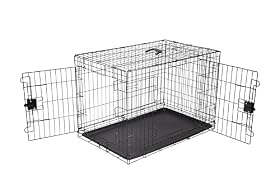
Wire crates are a common apartment choice because they provide good airflow, allow the dog to see out, and are usually easy to fold or move. A removable tray can contain accidents and make cleanup simpler.
The main drawback is noise. A dog that shifts, paws, or pushes against the crate can make the wire panels and tray rattle against a hard floor. A stable location, a properly fitted crate pad, and floor protection can reduce vibration, but they may not eliminate it.
Plastic crates: quieter and more enclosed
Plastic crates generally provide a more sheltered space and can be quieter than an uncovered wire crate. They may be useful for dogs that settle better with reduced visual stimulation or for owners who travel by car or air, provided the crate meets the relevant carrier's requirements.
They can retain more heat than an open wire design, so ventilation and room temperature matter. Check that the openings provide adequate airflow and never cover the ventilation areas.
Furniture-style crates can blend into an apartment's decor and may serve as an end table or other household surface. They are most suitable for dogs that are already comfortable resting in a crate and do not attempt to chew, push, or escape.
Do not choose a decorative crate solely for appearance. Some are heavier, harder to clean, less portable, or less ventilated than utilitarian designs. Avoid using one for a dog that could damage the material or become injured trying to get out.
Soft-sided crates: portable but not for every dog
Soft-sided crates are lightweight and convenient for calm dogs, temporary use, or travel around the home. They are not a good match for dogs that scratch, chew, or force their way through fabric or mesh. They can also be more difficult to clean after a major accident.
Product prices and availability are accurate as of the date/time indicated and are subject to change. Any price and availability information displayed on Amazon.com at the time of purchase will apply to the purchase of this product.
Apartment features that matter most
Noise control
Noise is often the biggest difference between a crate that works in a house and one that works in an apartment. Look for a stable frame, secure latches, and a tray that fits without excessive movement. Place the crate on a flat surface, away from walls that can amplify vibration.
A thin rubber-backed mat or other manufacturer-approved floor protector can help keep the crate from sliding and reduce contact noise. Do not block ventilation or make the crate unstable with thick, loose padding.
If your dog barks or cries when confined, a quieter crate alone will not solve the problem. Gradual crate training, sufficient exercise, and teaching the dog to settle are more important. Persistent distress, escape attempts, or destructive behavior may require help from a qualified trainer or veterinary behavior professional.
Footprint and placement
Measure the available floor area, including the space needed to open a door and remove a tray. A crate that technically fits may be impractical if people must squeeze past it or the door cannot open fully.
Keep the crate out of direct drafts, strong heat, and high-traffic paths. A corner can feel secure, but leave enough clearance for ventilation and cleaning. If the crate must be moved regularly, consider its weight and whether it folds or has carrying handles.
Easy cleaning
Accidents are easier to manage with a removable, washable tray and a crate pad that fits without bunching. Check whether replacement trays and compatible pads are available before buying, particularly if the crate has an unusual shape.
For a puppy, senior dog, or dog with a medical issue, prioritize surfaces that can be disinfected and dried thoroughly. Keep absorbent bedding out if your dog chews it or repeatedly soils it.
Visibility and privacy
Some dogs relax when they can see their surroundings; others become overstimulated by hallway activity, visitors, or nearby windows. A removable crate cover can provide privacy, but it must not restrict airflow or allow the dog to pull fabric through the bars.
Introduce a cover gradually and stop using it if the dog chews it, overheats, or becomes more anxious.
Security and escape resistance
Inspect the door latch and panel connections before leaving your dog unattended. A crate should not have sharp edges, large gaps that could trap a paw, or openings the dog can chew through.
A crate is not automatically safe for every dog. If your dog repeatedly bends wire, breaks plastic, damages a soft crate, or injures the mouth or paws while trying to escape, stop using that setup and consult a veterinarian or qualified behavior professional about safer confinement.
Product prices and availability are accurate as of the date/time indicated and are subject to change. Any price and availability information displayed on Amazon.com at the time of purchase will apply to the purchase of this product.
Wire or plastic: a quick apartment decision
Choose a wire crate when you want strong ventilation, visibility, a folding design, and easy access to a removable tray. Plan for possible rattling and use a stable, protected floor surface.
Choose a plastic crate when your dog benefits from a more enclosed environment or you want a potentially quieter, more travel-oriented design. Pay closer attention to airflow, heat, and cleaning access.
Choose a furniture-style crate when appearance and permanent placement matter more than portability, and your dog is calm and crate-trained.
Choose a soft-sided crate only when portability is important and your dog is unlikely to scratch, chew, or push against the enclosure.
Product prices and availability are accurate as of the date/time indicated and are subject to change. Any price and availability information displayed on Amazon.com at the time of purchase will apply to the purchase of this product.
What to buy with the crate
A few accessories can make apartment use easier:
A correctly sized crate pad that cannot bunch up or block the door
A washable tray or a replacement tray if the original becomes damaged
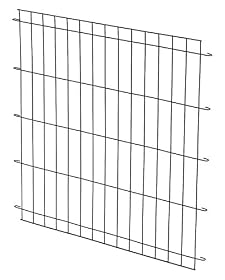
A divider for a growing puppy
A washable cover if your dog benefits from reduced visual stimulation
A floor mat that limits sliding and protects flooring
Do not add loose blankets, beds, toys, or bowls until you know your dog will use them safely. Dogs that chew can ingest fabric or plastic, and bowls can reduce usable space or spill inside the crate.
Product prices and availability are accurate as of the date/time indicated and are subject to change. Any price and availability information displayed on Amazon.com at the time of purchase will apply to the purchase of this product.
How to introduce the crate in an apartment
Start with the door secured open and reward your dog for investigating the crate. Feed meals or provide a safe chew near the crate, then gradually move them inside. Close the door for brief periods while your dog remains relaxed, increasing the duration slowly.
Give your dog an appropriate bathroom break and exercise opportunity before longer confinement. Never use the crate as punishment, and do not leave a dog confined for longer than is appropriate for its age, health, and individual needs.
If neighbors report barking, address the cause rather than simply covering the crate. Separation distress, fear, insufficient exercise, and an overly fast training process can all contribute to vocalization.
When a different setup may be better
A crate may not be the right sole confinement area for a dog that cannot remain settled safely inside it. A properly secured playpen, a dog-proofed room, or a combination of crate and playpen may provide more appropriate space, depending on the dog's behavior and your apartment layout.
For puppies, a crate connected to a secure exercise pen can separate sleeping space from play and training space. The setup must still be escape-resistant, stable, and placed where noise and accidents can be managed.
If your dog shows panic, persistent vocalization, heavy drooling, self-injury, or repeated escape attempts, seek veterinary guidance and professional behavior help rather than buying a stronger crate as the only solution.
FAQ
What type of dog crate is quietest for an apartment?
A stable plastic crate may make less rattling noise than an uncovered wire crate, but the dog's behavior and the floor surface matter just as much. A secure fit, a flat protected floor, and gradual crate training can reduce noise.
How do I stop a wire crate from sliding or rattling?
Place it on a flat, non-slip protective mat, make sure the removable tray is seated correctly, and check that all panels and latches are secure. Keep the crate away from walls that can amplify vibration.
Should I cover my dog's crate in an apartment?
A cover can help some dogs settle by reducing visual distractions. Use a breathable cover, keep ventilation openings clear, and supervise the first uses to ensure your dog does not chew or pull the fabric inside.
Is a crate enough exercise for a dog living in an apartment?
No. A crate is for safe rest and management, not exercise. Dogs still need age- and breed-appropriate bathroom breaks, physical activity, training, and mental stimulation.
What should I do if my dog panics in the crate?
Stop increasing confinement time and look for signs such as heavy drooling, frantic escape attempts, or self-injury. Consult a veterinarian and a qualified behavior professional; a different crate alone may not address separation anxiety or confinement distress.