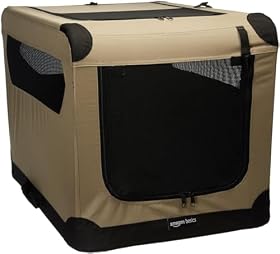
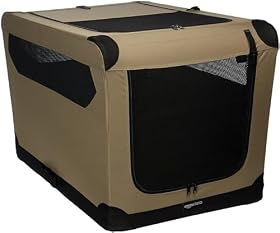
A soft-sided crate can work well for a calm, crate-trained adult dog at a cafe—if you choose the right size, confirm the cafe allows it, and prioritize ventilation, stability, and easy cleaning.
A soft-sided crate is a practical choice for a calm, crate-trained adult dog at a cafe because it is lighter, quieter, and less visually imposing than a wire or hard plastic crate. The important qualifications are that your dog must already settle comfortably in an enclosed space, the cafe must permit dogs and crates, and the crate must provide enough ventilation without becoming unstable or difficult to clean.
Choose the right size
Measure your dog from the tip of the nose to the base of the tail, then measure from the floor to the top of the head or ears while standing. The crate should allow the dog to:
Stand without crouching
Turn around normally
Lie down fully on their side
Sit without pressing against the roof
Avoid choosing a much larger crate simply for extra room. A bulky crate takes up more cafe space and may be harder to keep stable under or beside a table. At the same time, do not size down to make the crate easier to carry. A dog that cannot reposition comfortably is unlikely to relax.
If your dog is between sizes, check the crate's interior dimensions rather than relying only on a small, medium, or large label. Soft walls and rounded corners can reduce usable space compared with the crate's outside measurements.
Features that matter in a cafe
Ventilation and visibility
Look for mesh panels on multiple sides, not just a small front window. Cross-ventilation helps prevent the crate from becoming warm and stuffy, while adjustable covers or partially closed panels can reduce visual distractions.
A crate that is completely covered may help some dogs settle, but it can also trap heat and reduce airflow. Keep the mesh unobstructed whenever the environment is warm or crowded, and follow the manufacturer's guidance about ventilation.
A stable frame
Many soft-sided crates use a folding metal or reinforced frame. The frame should remain rigid when the crate is set up and should not collapse when your dog leans against a side. Locking joints are useful because they reduce the chance of an accidental fold during normal use.
This type of crate is intended for dogs that are already calm in confinement. It is not a good choice for a dog that scratches, chews mesh, pushes at doors, or panics when separated. Those behaviors can damage the fabric or create an escape and injury risk.
Door placement
A front door is the basic requirement, but a top or side opening can make loading easier in tight spaces. Multiple doors may also help you position the crate beside a chair or under a table without blocking the main walkway.
Check that every door can be secured fully. Loose zippers, weak clips, or a door that remains partly open can let a determined dog escape into a busy cafe.
A removable, washable floor
Cafe floors can expose the crate to crumbs, spills, and muddy paws. A removable base or washable floor liner makes cleanup much easier. Check whether the liner is machine washable and whether replacement liners are available before buying.
Avoid putting a thick, heat-trapping bed inside the crate in warm conditions. A thin crate pad can provide comfort, but it should not reduce the available floor space or interfere with ventilation.
Carrying and storage
For cafe trips, consider the crate's folded size and actual carry weight, not just its listed setup dimensions. Useful features may include a carry handle, shoulder strap, compact fold, and a storage bag. A crate that is awkward to carry may be left at home, even if it works well once assembled.
A lightweight design is convenient, but very light fabric crates may be easier for a dog to shift across a smooth floor. If the crate does not have secure attachment points, position it where it cannot slide into a walkway and do not place it where a door can be bumped open.
Product prices and availability are accurate as of the date/time indicated and are subject to change. Any price and availability information displayed on Amazon.com at the time of purchase will apply to the purchase of this product.
Cafe setup and manners
Before bringing the crate, confirm the cafe's pet policy and whether dogs are allowed inside the seating area. Policies may vary by location, local rules, and whether the dog is a service animal. A crate should not block aisles, exits, staff routes, or neighboring customers' space.
Set the crate up at home first. Let your dog enter voluntarily, reward calm behavior, and practice short periods with the door closed. Then rehearse carrying the folded crate, setting it up, and packing it away. A first attempt in a noisy cafe is more likely to create stress for both of you.
At the cafe:
Choose a shaded, low-traffic position away from speakers and swinging doors.
Keep the crate on a level surface.
Use a familiar mat or washable liner if it fits safely.
Bring water and offer breaks outside when appropriate.
Keep the dog supervised rather than treating the crate as a way to leave the dog unattended.
Leave if the dog begins panting heavily, drooling, repeatedly scratching, vocalizing, or showing other signs of distress.
Never use a soft-sided crate as a substitute for temperature control. Fabric crates can heat up quickly in direct sun or poorly ventilated areas. Do not leave a dog enclosed in a crate in a parked vehicle.
Product prices and availability are accurate as of the date/time indicated and are subject to change. Any price and availability information displayed on Amazon.com at the time of purchase will apply to the purchase of this product.
Soft-sided versus other crate styles
A soft-sided crate is usually the best fit when portability, lower weight, and a less industrial appearance matter most. It is generally suitable for a calm adult dog that already accepts confinement.
A wire crate may be a better choice if you need stronger airflow, a more rigid structure, or a crate that is easier to inspect from every angle. It can be less convenient in a cafe because it is heavier, more visually open, and often noisier when moved.
A hard plastic crate offers a rigid shell and can be easier to wipe clean. It may make sense for travel or dogs that need more physical containment, but it is often bulkier to carry and can feel more enclosed.
A soft-sided crate is not the right purchase if your adult dog is still being crate-trained, has separation anxiety, or routinely tries to escape. In those cases, work on crate training and ask a veterinarian or qualified behavior professional for guidance. Choose a more secure crate only after considering the dog's specific behavior and the manufacturer's safety instructions.
Quick buying checklist
Before ordering, confirm:
The interior dimensions fit your dog's standing, turning, and lying-down measurements.
Mesh panels provide ventilation on more than one side.
The frame locks securely when open.
The zippers and door closures are protected from easy paw access if your dog is an escape risk.
The floor liner is removable and washable.
The folded size and carry weight are manageable for your usual trips.
The crate fits without blocking a cafe walkway.
Your dog is already comfortable settling inside it.
The retailer or manufacturer explains how replacement parts and cleaning are handled.
For a calm adult dog, prioritize a well-ventilated, stable crate that is easy to carry and clean over decorative features. The best option is the smallest comfortable size that gives your dog room to reposition while fitting safely into the cafe environment.
FAQ
Can I bring a soft-sided dog crate into a cafe?
Only if the cafe allows dogs and permits crates in its seating area. Confirm the policy before visiting, and keep the crate out of aisles, exits, staff routes, and neighboring customers' space.
Is a soft-sided crate safe for a calm adult dog?
It can be appropriate for a calm, crate-trained adult dog that does not chew, scratch, or push against the fabric. It is not a suitable containment choice for a dog that panics or regularly tries to escape.
Should a soft-sided crate be bigger than my dog's normal crate?
No. It should be large enough for your dog to stand, turn around, sit, and lie down comfortably, but an oversized crate is harder to carry and takes up unnecessary cafe space.
How do I keep a soft-sided crate cool at a cafe?
Choose a shaded, well-ventilated location, keep mesh panels unobstructed, avoid thick heat-trapping bedding, provide water, and monitor your dog. Never leave the dog enclosed in a parked vehicle.
What should I do if my dog will not settle in the crate at the cafe?
Move to a quieter location and check for heat, crowding, noise, or restricted airflow. If the dog continues panting, drooling, scratching, vocalizing, or showing distress, leave and practice shorter crate sessions at home before trying again.