A good folding crate for a weekend cabin should be easy to carry, quick to set up, correctly sized, and suitable for your dog's behavior and the cabin environment.
A folding crate for a weekend cabin should balance portability with enough strength and space for your dog to rest comfortably. For most cabin trips, a folding wire crate is the practical all-around choice because it folds flat, allows airflow, and usually includes a removable tray. A soft-sided crate can be easier to carry, but it is better suited to calm, crate-trained dogs that will not scratch, chew, or push through fabric.
Choose the right crate style
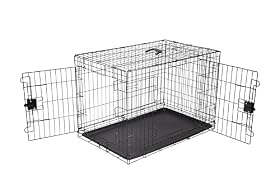
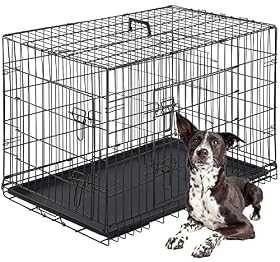
Folding wire crate
A folding wire crate is generally the best choice when you need one crate for car travel and indoor cabin use. It provides good ventilation, gives your dog visibility into the room, and is easier to clean after muddy paws or accidents. Look for a secure door, sturdy hinges, and a removable plastic or composite tray.
Wire crates can be relatively heavy and may rattle during transport. A crate pad or folded blanket can make the interior more comfortable, but do not cover the crate so completely that airflow is restricted.
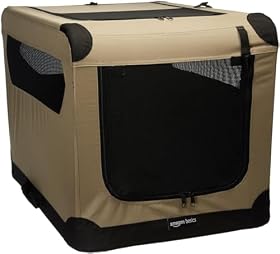
Soft-sided folding crate
A soft crate is useful when low weight and compact carrying matter most. It is often convenient for a small dog staying indoors at a quiet cabin. Before choosing one, consider whether your dog has ever chewed mesh, pawed at zippers, or tried to escape when left alone. Soft crates are not a good match for destructive or anxious dogs.
They also need more careful handling around wet floors, sharp objects, fireplaces, and other cabin hazards. Check that the frame locks securely and that the fabric panels can be cleaned.
Folding plastic crate
A folding or collapsible plastic crate can offer more privacy and may feel den-like in an unfamiliar cabin. It can also be useful for dogs that settle better with fewer visual distractions. The tradeoff is that plastic crates may be bulkier to carry and can provide less open airflow than wire designs, depending on the ventilation pattern.
Size the crate for sleeping, not storage
Your dog should be able to stand up without crouching, turn around normally, lie down on their side, and stretch out comfortably. Avoid choosing a crate that is much larger than necessary just because it is a weekend rental or guest-room crate. Excess space can make some dogs less settled and can make house-training accidents more likely.
Measure your dog while standing from the floor to the top of the head or ears, whichever is higher. Measure body length from the nose to the base of the tail, then allow additional room for turning and stretching. Compare those measurements with the crate manufacturer's interior dimensions, not just the listed crate size.
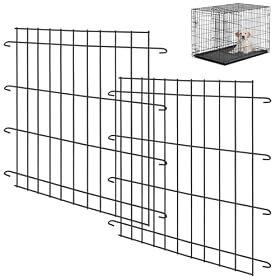
If your dog is still growing, choose a crate that will fit their expected adult size and use a properly secured divider to limit the available space. The divider should not have gaps that could trap a paw or collar.
Product prices and availability are accurate as of the date/time indicated and are subject to change. Any price and availability information displayed on Amazon.com at the time of purchase will apply to the purchase of this product.
Features that matter for cabin trips
A fold-flat design
Check the folded dimensions and weight before buying. A crate that technically folds but is awkward to carry may be inconvenient when you are also handling luggage, food, and outdoor gear. Look for a design with a manageable folded shape and a reliable way to keep it closed during transport.
Secure doors and hardware
The door should latch firmly and resist being opened by a persistent dog. Inspect the latch, hinges, and wire connections. If your dog is an escape artist, prioritize a crate designed for secure containment rather than the lightest available option.
Never rely on a crate as the only barrier around an unfamiliar dog in a new environment. Inspect the cabin first for unsafe gaps, loose screens, toxic substances, stairs, and doors that could be pushed open.
Easy cleaning
A removable tray is helpful for muddy paws, spilled water, and accidents. The tray should slide in and out without forcing it and should sit flat under the crate. A waterproof crate pad or washable blanket can protect the tray, but avoid thick bedding if your dog chews or shreds fabric.
Airflow and visibility
Wire sides generally provide open airflow, while soft-sided and plastic designs vary. For a warm cabin or a crate placed in a vehicle, ventilation is especially important. Keep the crate away from direct heat sources, fireplaces, radiators, and strong drafts.
Carrying and setup
Set up the crate at home before the trip. Confirm that it opens and folds as expected, the tray fits correctly, and the door can be secured. If the crate requires several steps to assemble, practice them before arriving at the cabin.
Product prices and availability are accurate as of the date/time indicated and are subject to change. Any price and availability information displayed on Amazon.com at the time of purchase will apply to the purchase of this product.
Plan where the crate will go
Place the crate in a quiet part of the cabin where your dog can see or hear the household without being in the middle of foot traffic. Keep it away from the kitchen, fireplace, exposed electrical cords, and exterior doors. Do not place it where another guest could accidentally block the door or where the dog could be startled by falling gear.
If the crate will be used in the car, follow the crate and vehicle manufacturer's instructions for securing it. A loose crate can move during sudden braking. Never leave a dog unattended in a parked vehicle when temperatures may become unsafe.
Product prices and availability are accurate as of the date/time indicated and are subject to change. Any price and availability information displayed on Amazon.com at the time of purchase will apply to the purchase of this product.
Make the crate familiar before leaving
A folding crate is not automatically a good weekend solution if your dog has never used it. Set it up at home and leave the door open with familiar bedding or a safe chew. Feed treats near the crate, then inside it, and build up to short periods with the door closed.
Do not introduce the crate for the first time when you need to leave the dog alone at the cabin. New surroundings, unfamiliar sounds, and a new crate can combine to increase stress.
When to choose a different option
A folding crate may not be enough if your dog panics when confined, bends wire, breaks zippers, or repeatedly attempts to escape. In that situation, choose a more secure containment system based on the dog's behavior and ask your veterinarian or a qualified trainer for guidance.
A playpen may be more suitable when the dog needs a little more room but does not need a fully enclosed sleeping space. It is not a substitute for secure containment if the cabin has hazards or the dog can climb out.
If you already own a sturdy crate that fits your dog, buying a second folding crate may not be necessary. A replacement tray, washable pad, or divider may solve the actual travel problem at lower cost and with less adjustment for the dog.
Quick buying checklist
Before choosing a folding crate for a weekend cabin, confirm that:
The interior fits your dog standing, turning, lying down, and stretching.
The folded dimensions fit your vehicle and storage space.
The weight is manageable for the person carrying it.
The door latch is secure for your dog's behavior.
The tray is removable and easy to clean.
Airflow is appropriate for the cabin and vehicle environment.
The crate can be set up securely on the cabin's floor.
Your dog has practiced using it before the trip.
Bedding and accessories do not create chewing, overheating, or entanglement risks.
For a calm, crate-trained dog, a properly sized folding wire crate is usually the most versatile cabin choice. Choose a soft-sided model only when portability is the priority and your dog is unlikely to damage or escape from it.
FAQ
What type of folding crate is best for a weekend cabin?
A folding wire crate is usually the most versatile choice because it offers airflow, a removable tray, and better resistance to scratching than a soft crate. A soft-sided crate can work for a calm, crate-trained dog when low weight and compact storage are more important.
Should a dog be able to move around inside the crate?
Yes. The dog should be able to stand without crouching, turn around, lie down comfortably, and stretch out. Compare your dog's measurements with the crate's interior dimensions rather than relying only on the size label.
Can I use a soft dog crate for an anxious dog?
Usually not without careful supervision. An anxious dog may scratch, chew, or push through mesh and zippers. A sturdier crate or professional advice may be more appropriate for a dog that tries to escape.
How can I prepare my dog for a crate at a cabin?
Set up the crate at home well before the trip. Use treats and familiar bedding, begin with the door open, and gradually practice short periods with the door closed. Do not make the cabin the first place your dog uses the crate.