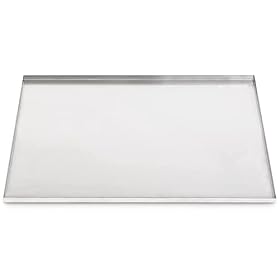
Metal Tray Versus Plastic Tray: Which Dog Crate Pan Is Better?
Metal and plastic dog crate trays each solve different problems. Plastic is usually quieter, lighter, and resistant to rust, while metal can be tougher against determined chewers and rough handling. The right choice depends on your dog, crate, and cleaning routine.
Metal tray versus plastic tray
For most wire dog crates, a plastic tray is the quieter and more practical default. A metal tray is worth considering when durability, chewing resistance, or frequent heavy cleaning matters more than noise and weight. The most important factor for either option is getting the correct replacement size and design for your crate.
Metal versus plastic dog crate trays at a glance
Feature
Metal tray
Plastic tray
Chewing resistance
Generally better, although edges and coatings can still be damaged
More vulnerable to persistent chewing or scratching
Noise
Can rattle or clang against the crate
Usually quieter
Rust and corrosion
May rust if the coating is damaged or moisture remains on the surface
Does not rust, but can stain or retain odors if not cleaned well
Weight
Heavier
Lighter and easier to remove
Cracking
Less likely to crack from ordinary handling
Can crack from impact, cold conditions, or heavy use
Cleaning
Usually easy if the finish is intact
Usually easy, but scratches can hold dirt and odors
Comfort
Usually covered by the crate floor or bedding
Usually covered by the crate floor or bedding
Best fit
Heavy use, rough handling, some destructive dogs
Most indoor crates and everyday accident cleanup
Choose a plastic tray when quiet, simple cleanup matters
A plastic tray is often the best choice for a typical indoor wire crate. It is light enough to slide out quickly, does not rust, and usually makes less noise when the dog shifts around or the crate is moved.
Plastic also works well when the tray is used mainly to catch accidents, spilled water, dirt, and loose bedding. A smooth, intact surface can be wiped or washed without much effort.
Plastic tray drawbacks
Plastic is not ideal for every dog. A dog that repeatedly digs at the tray, bites its edges, or pulls it through the crate may eventually scratch, crack, or deform it. Deep scratches can make cleaning more difficult and may retain odors.
Plastic can also become brittle after impact or in very cold conditions. Inspect it regularly if the crate is used in a garage, vehicle, outdoor shelter, or another location with large temperature changes.
Product prices and availability are accurate as of the date/time indicated and are subject to change. Any price and availability information displayed on Amazon.com at the time of purchase will apply to the purchase of this product.
Choose a metal tray when durability is the priority
A metal tray can be a better choice for heavy use or for a dog that damages plastic. It is less likely to crack when handled roughly and may tolerate repeated removal, washing, and transport better than a thin plastic pan.
Metal is also useful when a dog can reach the tray and tends to chew plastic. It is not automatically chew-proof: a dog may bend an exposed edge, damage a coating, or injure its mouth on a sharp damaged area. Remove and replace any tray with a warped rim, exposed corrosion, or sharp metal.
Metal tray drawbacks
Metal trays are heavier and can make more noise. A loose tray may rattle when the dog moves, and a dropped tray can be loud enough to startle a sensitive dog. Check that it sits flat and securely in the crate before use.
The finish matters. If the coating chips or scratches deeply, moisture can lead to corrosion. Dry the tray after washing and do not continue using one with rust, sharp edges, or a damaged seam.
Product prices and availability are accurate as of the date/time indicated and are subject to change. Any price and availability information displayed on Amazon.com at the time of purchase will apply to the purchase of this product.
The tray is not normally the crate floor
In many wire crates, the dog stands on the raised wire floor while the removable tray sits below it. The tray catches urine, feces, water, hair, and debris; it is not intended to be the dog’s primary standing surface.
This distinction matters when deciding whether noise, surface texture, or chewing is likely to be a problem. If your dog can directly contact the tray because the crate floor is missing, modified, or unusually designed, prioritize a smooth, undamaged surface and follow the crate manufacturer’s setup instructions. A crate pad can also cover the wire floor, but it should fit securely and be removed if it becomes wet or heavily soiled.
Check fit before buying a replacement tray
Tray dimensions are not interchangeable just because two crates have the same advertised length. Before ordering, check:
The crate’s actual inside and tray-opening dimensions. Measure the old tray if possible.
The tray’s length, width, and height. A replacement that is slightly too large may not slide in; one that is too small can leave gaps or shift.
The rim and lip design. Some trays have raised edges or molded handles that must clear the crate frame.
The corner shape. Rounded and squared corners may not match the crate’s base.
The crate brand and model information. Use it when the manufacturer lists compatible replacement parts.
Whether the crate has a divider. A divider usually does not change the tray size, but it can affect how the dog reaches or interacts with the base.
Do not rely only on the crate’s nominal size, such as “30-inch crate.” Interior dimensions and tray designs vary between manufacturers.
Which tray is easier to clean?
Both materials are relatively easy to clean when the surface is smooth and undamaged. Remove the tray from the crate, dispose of solid waste, rinse away residue, and use a pet-safe cleaner according to its label. Dry it before returning it to the crate.
A plastic tray usually handles routine washing without rust concerns. A metal tray should be dried thoroughly, especially around seams, corners, and scratches in the coating.
Avoid harsh chemicals unless the tray manufacturer permits them. If a dog has had diarrhea, a contagious illness, or repeated accidents, follow veterinary or cleaner-label guidance for disinfection and rinse surfaces thoroughly.
Which tray is better for puppies and puppies in training?
A plastic tray is usually the convenient starting point for puppy crate training because it is quiet, light, and easy to remove after an accident. However, a puppy that chews the tray or reaches through the crate floor may need a different setup.
Do not use a damaged tray as a temporary solution. Replace cracked plastic or sharp metal, and address the reason the puppy can access the tray. If accidents are frequent, review crate size, potty-training timing, supervision, and whether the puppy is being left crated longer than it can reasonably hold its bladder.
An option for a dog that persistently damages plastic
A durable surface that is unlikely to split from ordinary handling
For most households, the best decision is not simply metal versus plastic. It is the correctly fitted tray made from the material your dog is least likely to damage. If a replacement tray is repeatedly cracked, chewed, or bent, replace the tray and consider whether the crate itself, a secure cover, or a different crate design would better prevent access to the base.
FAQ
Is a metal or plastic dog crate tray better?
Plastic is usually better for everyday indoor use because it is lighter, quieter, and resistant to rust. Metal can be the better choice for heavy handling or a dog that repeatedly cracks or chews plastic.
Can a dog stand directly on a dog crate tray?
Most removable trays are designed to sit below a wire crate floor and catch messes, not to serve as the main standing surface. If your dog can directly reach the tray, check the crate setup and keep the tray smooth, clean, and undamaged.
Do metal dog crate trays rust?
They can rust if the protective coating is damaged or the tray stays wet. Dry a metal tray after washing and replace it if corrosion creates rough or sharp areas.
How do I know which replacement tray fits my dog crate?
Measure the old tray’s length, width, height, rim, and corner shape. Also check the crate manufacturer’s compatibility information. The advertised crate size alone may not identify the correct tray.
What should I do if my dog chews the crate tray?
Inspect the tray for cracks, sharp edges, or loose pieces and replace it if damaged. Then check whether the dog can reach the tray through the crate floor and review crate setup, supervision, exercise, and training. A qualified trainer or veterinarian can help if chewing is persistent or anxiety-related.