A crate divider usually slips because it is installed backward, does not match the crate, or is bent or missing its retaining hardware. Check fit and attachment before replacing the panel or crate.
A dog crate divider that will not stay in place is usually a fit or installation problem, not a sign that the entire crate has failed. Remove the dog first, then check that the divider matches the crate, is facing the correct direction, and is secured through every intended wire connection. Do not leave a loose divider in place if your dog can push through it, get a paw caught, or contact a sharp edge.
Check the divider's compatibility
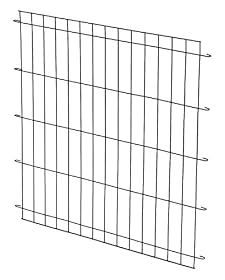
Divider panels are generally made for a specific crate design, size, and wire spacing. Even panels that look similar may not lock into place correctly.
Check:
The crate brand, model, and overall dimensions
The divider panel's listed crate size
The number and spacing of the crate's horizontal and vertical wires
Whether the panel is designed for a wire crate, plastic kennel, or another style
Whether the crate has the attachment slots, hooks, clips, or tabs required by that divider
A panel that is too narrow may slide sideways. One that is too wide may bow or fail to seat fully. If the divider was purchased separately, confirm compatibility with the manufacturer's instructions before modifying it.
Reinstall the panel in the correct direction
Many dividers are not reversible. One side may have hooks, tabs, folded edges, or a different wire arrangement intended to face the front or rear of the crate.
With the crate empty:
Open the crate door and remove the bedding and tray if they block access.
Place the panel at the desired position.
Align every hook, tab, or attachment point with its matching crate wire.
Press the panel fully into place rather than relying on a single upper or lower connection.
Gently push the panel from both sides to confirm it does not rock, lift, or slide.
If the panel has a clearly different top and bottom, follow the included diagram or the crate manufacturer's instructions. Installing it upside down or backward can leave only one or two points engaged.
Product prices and availability are accurate as of the date/time indicated and are subject to change. Any price and availability information displayed on Amazon.com at the time of purchase will apply to the purchase of this product.
Inspect the retaining points
Look closely at the places where the divider attaches to the crate. A missing clip, bent hook, cracked plastic fitting, or flattened wire can prevent a secure connection.
The attachment points are worn, cracked, or broken
The divider is resting on the tray instead of locking to the crate walls
Do not force a metal divider into position or bend crate wires back while the crate is occupied. Sharp or damaged metal should be repaired or replaced before use. If the design requires a specific clip or bracket, use the manufacturer's replacement part rather than an improvised fastener.
Product prices and availability are accurate as of the date/time indicated and are subject to change. Any price and availability information displayed on Amazon.com at the time of purchase will apply to the purchase of this product.
Make sure the crate is assembled squarely
A crate that is slightly twisted can make a correctly sized divider appear loose. This is more common after the crate has been folded, moved, or reassembled.
Place the empty crate on a level surface and check that:
All side panels are fully upright
The corners are aligned
Door latches and side latches are fully engaged
The crate is not rocking
No panel is bowed inward or outward
The divider is parallel with the front and back of the crate
If the crate has removable pins, clips, or slide latches, reinstall them according to the manual. Do not use the divider to hold a poorly assembled crate together.
Product prices and availability are accurate as of the date/time indicated and are subject to change. Any price and availability information displayed on Amazon.com at the time of purchase will apply to the purchase of this product.
Check for pressure from the dog, bedding, or accessories
A properly fitted divider can still move if something is pushing against it. A dog may lean, paw, or jump against the panel, especially if the divider is being used to reduce the crate size during house training.
Check whether:
The dog can reach the divider and push it repeatedly
A crate pad is too large or folded against the panel
A blanket or cover is caught behind the divider
A water bowl or other accessory is wedged against it
The panel is positioned at an angle that leaves a gap
The divider should leave enough room for the dog to stand, turn around, and lie down comfortably, but it should not allow the dog to build up enough space to ram or squeeze behind the panel. Never use a divider with a gap large enough for the dog's head, neck, or limbs to become trapped.
Do not rely on improvised fasteners
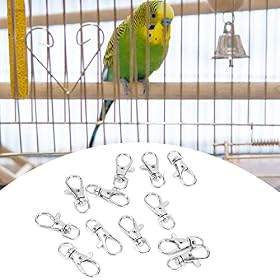
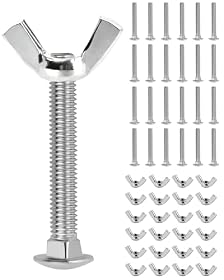
Zip ties, wire, rope, and household clips may create sharp edges or loose loops. They can also interfere with the crate door or create an entanglement hazard. Avoid drilling the crate or permanently bending the divider unless the manufacturer specifically provides instructions for that modification.
If a replacement attachment is unavailable, use the crate only without the divider if the full space is safe and appropriate for the dog. For a puppy that needs a smaller area, a properly sized crate or a compatible replacement divider is safer than a makeshift restraint.
When to replace the divider or crate
Replace the divider when it is bent, cracked, missing essential hardware, or unable to stay attached after correct installation. A replacement panel is reasonable when the crate itself is square, undamaged, and the manufacturer offers a compatible part.
Replace the crate instead when the frame is bent, the wire spacing no longer aligns, several latches are damaged, or compatible divider parts are unavailable. Choose a crate and divider designed to work together rather than trying to adapt a panel from another crate.
Until the problem is resolved, supervise the dog in the crate and inspect the divider after each use. If the dog has become caught, injured, or able to escape, stop using that setup and consult the crate manufacturer or a qualified pet-care professional for a safer arrangement.
FAQ
Why does my dog crate divider keep sliding?
The most common causes are an incompatible divider, incorrect orientation, incomplete engagement with the crate wires, a bent attachment point, or a crate that is not assembled squarely. Pressure from bedding or the dog can also move a panel that is already a poor fit.
Can I secure a crate divider with zip ties?
It is generally better not to. Zip ties and similar improvised fasteners can create sharp edges, loops, or entanglement hazards. Use the manufacturer's clips or a compatible replacement divider instead.
Should the crate divider touch the tray?
The divider may rest near the tray, but it should be secured to the crate walls or wires as designed. It should not depend on the tray to keep it upright or in place.
What should I do if my dog pushes hard against the divider?
Remove the dog and check the panel, crate, and bedding for movement or gaps. If the dog can dislodge the divider, trap a limb, or squeeze behind it, stop using that arrangement and use a properly fitted replacement divider or crate.